The Hope Diamond: Mysteries, Curses and Unforgettable Stories
The Hope Diamond: Mysteries, Curses and Unforgettable Stories
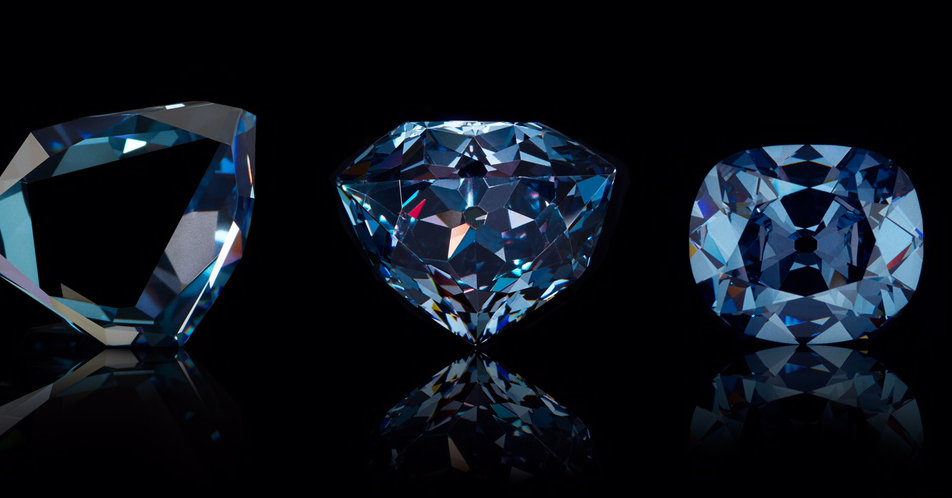
There is a fascinating story behind one of the most famous gemstones in the world: the Hope Diamond. This blue diamond, weighing an impressive 45.52 carats, is surrounded by mysteries and legends, some of which date back to the reign of Louis XIV.
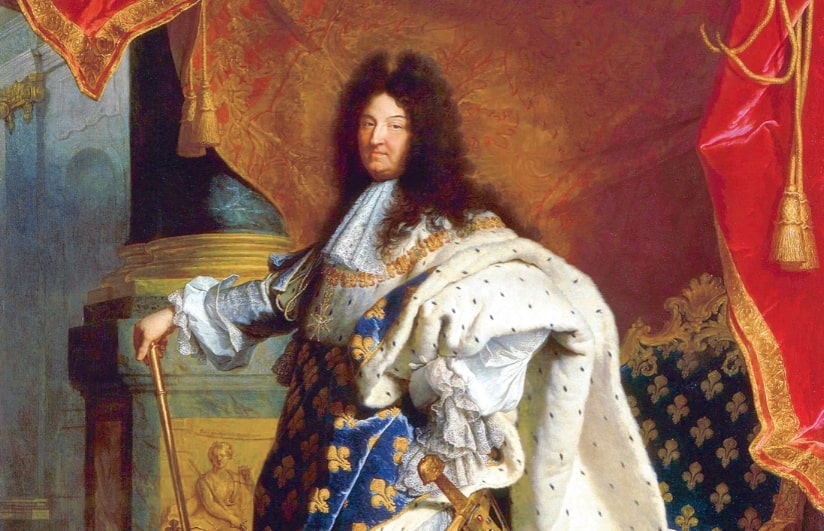
According to legend, the Hope Diamond was first found in India in the 17th century and is said to have been taken from the forehead of a statue of the Hindu goddess Sita. The thief who stole the stone was later captured, but the gem had already been sold to a French merchant. In 1668, the diamond was acquired by King Louis XIV of France, who had it recut into a heart shape and named it "Le Bleu de France" or "Le Bijou du Roi".

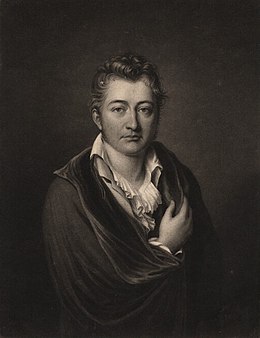
The diamond was stolen during the French Revolution, then resurfaced in London in 1812. It is believed to have been recut to conceal its origin and sold to a British banker, Henry Philip Hope, whose name the stone now bears.
The Hope Diamond is infamous for the curse that seems to surround it. Successive owners of the stone met with financial troubles, family tragedies and even death. The American actress May Yohe, who was married to the nephew of the diamond's last private owner, even wrote a book about the curse in 1921.

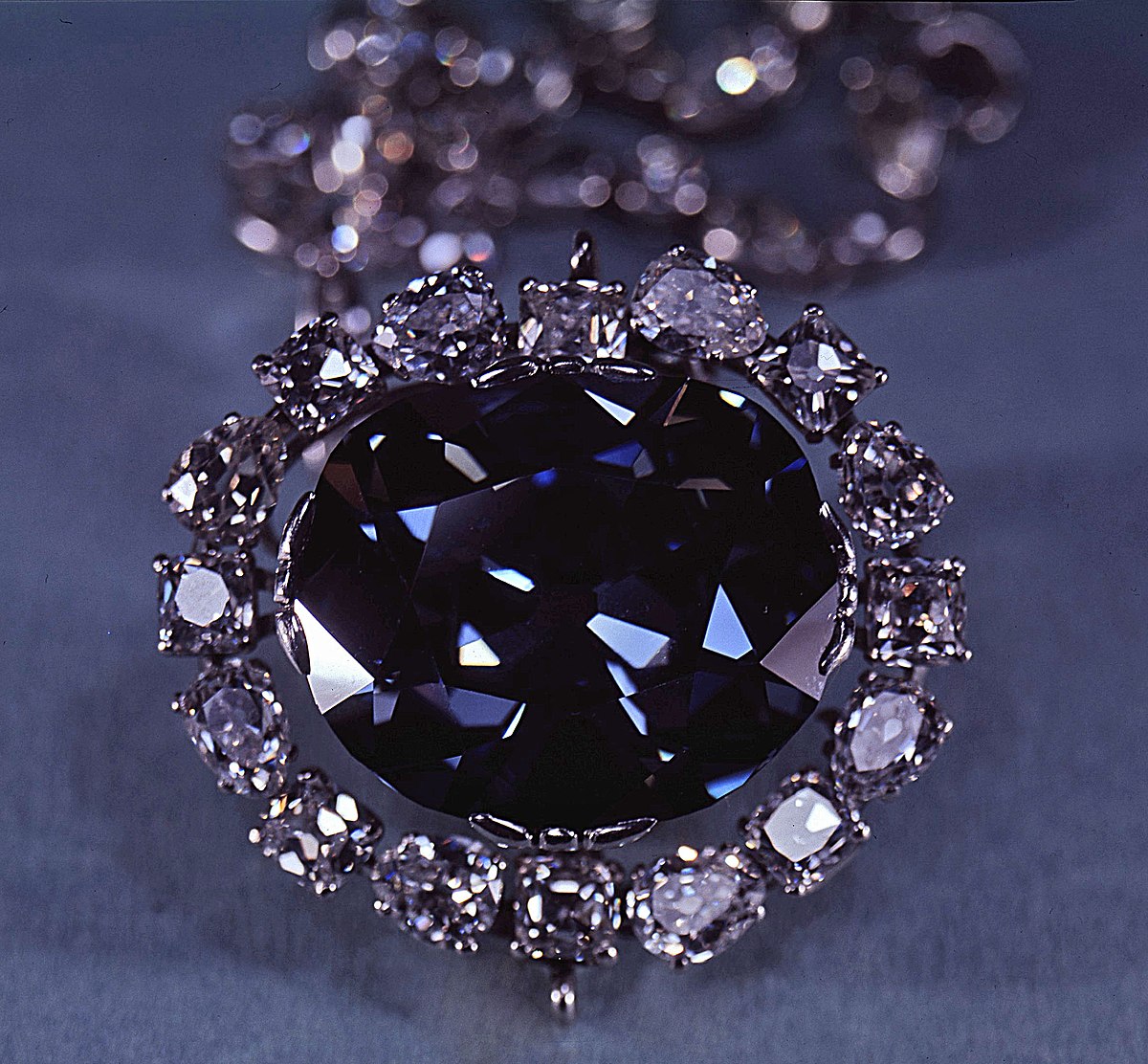
Finally, in 1958, the Hope Diamond was donated to the Smithsonian Institution by the jeweller Harry Winston, where it is on display to the public. Despite the legends, the Hope Diamond continues to attract millions of visitors and remains one of the most famous gemstones in the world.
Want to go further?
Discover our exceptional gems, our latest stones, or book an appointment at our Paris offices to see them in person.
A question about a stone? Write to Maxime on WhatsApp.


